


Play and Win-Win Cash Prizes!
3.7700.00 Reviews
App Specs
- Version
- 4.05
- Updated On
- License
- Free
- Downloads
- 1,000,000+
- Developer
- Numbase SAL Offshore
- Categories
- Trivia
- Platform
- Android, iOS
Screenshots
 Analysis by AppCompare
I approached Play and Win-Win Cash Prizes! as a quick trivia game first, but the cash-prize angle changes how I judge it. It is not only about knowing answers; it is also about reading comfortably, reacting at a steady pace, and deciding whether the competitive format suits the way you like to play. The game is free to install, aimed at Everyone, and comes from Numbase SAL Offshore. After spending time with it, I see a simple idea with an appealing low entry cost, but also a format that will not feel equally comfortable for every player.
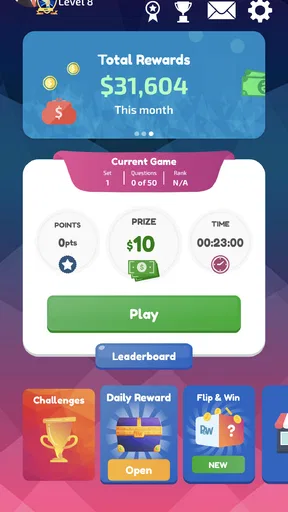
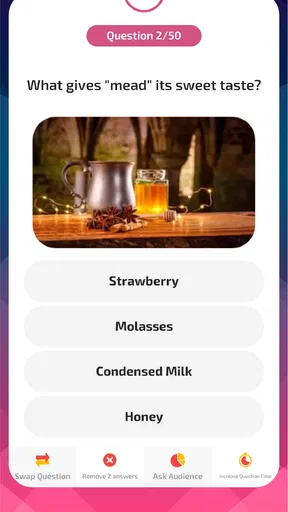
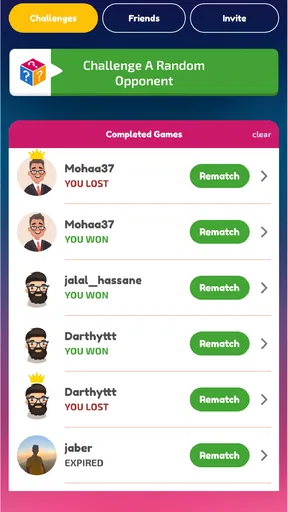
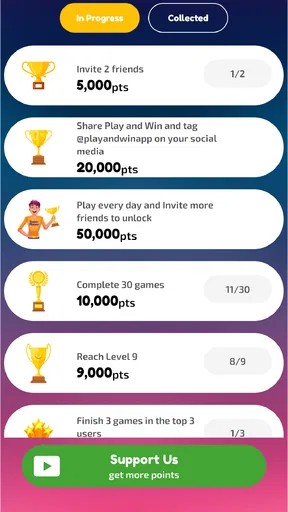
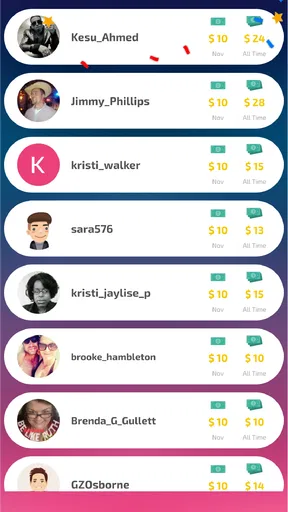
The basic appeal is easy to understand: answer trivia questions, build points, and compete for the possibility of cash prizes. That combination makes an ordinary quiz feel more urgent than a relaxed knowledge game. I enjoyed the extra sense of purpose, especially when I wanted a short distraction rather than a long campaign. At the same time, anyone who dislikes pressure, fast decisions, or prize-focused competition may find the experience less enjoyable than a conventional trivia app.
How the game feels to use in different situations
I look at this game differently depending on where I am and how much attention I can give it: a quiet break makes the trivia easier to enjoy, while a noisy or rushed moment can turn reading and tapping into the main challenge. That distinction is useful before deciding whether to make it part of a routine. It also leads to the practical question of which settings suit its competitive pace best.
Readability and navigation during a quiz
The most important accessibility question here is whether I can understand the question and answer choices quickly enough to make a fair decision. Trivia games depend heavily on clear presentation: if text feels crowded or the controls are difficult to identify, knowledge becomes only part of the challenge. In my experience, I would treat this as a game best played with my attention on the screen, rather than something to operate casually while walking or doing another task.
The straightforward quiz concept helps. I do not need to learn a complicated fictional world, manage an inventory, or remember a large set of controls. The mental load is concentrated on reading, recalling information, and selecting an answer. That makes the game easier to approach than many larger mobile titles, particularly for someone who wants a short session without a long tutorial or elaborate setup.
There is also a useful distinction between simple navigation and effortless navigation. A trivia game may have few controls, yet still demand quick visual scanning. Players who read more slowly, use larger text on their device, or need extra time to process unfamiliar wording may feel disadvantaged when the game emphasizes speed. I would recommend trying a few rounds before spending money or treating the prize element seriously. The first test should be whether you can comfortably read every question and option at the pace the game expects.
For players with dyslexia, attention difficulties, or limited concentration, short rounds can be a benefit because the commitment is small. However, dense wording, unfamiliar names, or questions that require rapid switching between the prompt and answer choices can still create friction. I would play in a quiet setting, keep the screen at a comfortable distance, and avoid reducing the display size to fit other content around it. With trivia, a little visual distraction can have a bigger effect than it would in a turn-based puzzle.
Worth Reading Before You Choose

EA SPORTS FC Mobile 26 Is a Bigger Football Game, but It Takes Time

Flipboard Shows What News Apps Must Do Beyond the Feed

Switching to Android Auto Means Rethinking Your Driving Routine

Google Calendar Makes a Crowded Week Easier to Manage

Ludo King Makes the Most of the Minutes Between Plans

Baby Panda World Brings Quick Play to Modern Phones, but Its Game Library Feels Busy
The game’s average rating is 3.7 from around 18 thousand ratings, while about 700 written reviews offer a broader impression than the score alone. I would read that combination as a sign to approach with realistic expectations: there is enough interest to make the concept worth trying, but the experience may not satisfy everyone who wants a polished, universally comfortable quiz format.
Motor and sensory considerations
From a motor perspective, trivia is naturally lighter than an action game. You are not steering a character, combining complicated gestures, or coordinating several buttons at once. The central action is selecting an answer, so the game can suit people who prefer simple touch interaction. That said, “simple” does not automatically mean accessible. If answers must be tapped quickly, players with tremors, reduced dexterity, or difficulty making precise touches may find a time-sensitive round stressful.
I would use the game differently depending on my physical comfort. If my hands were tired, I would rest the phone on a stable surface instead of holding it in the air. That small change reduces accidental movement and lets me concentrate on the question. A stylus or an alternative touch method may also help some players, although the practical benefit depends on the device and the size of the answer controls.
Visual fatigue is another consideration. Trivia encourages repeated reading, and the prize-oriented format can make me stare at the display more intensely than I would during a relaxed quiz. I would avoid playing in glare, dim the screen only enough to remain comfortable, and take breaks between sessions. These are ordinary habits, but they matter more when each question demands close attention.
Players with hearing loss may find a text-led quiz more manageable than a game that relies on spoken instructions, but I would not assume that every important cue is presented in a way that works equally well for everyone. Likewise, players with low vision should check whether the game’s text and controls work comfortably with their device’s display settings before committing to extended play. I cannot recommend it as a specialist accessibility tool; I can only say that its trivia structure is less physically demanding than many mainstream mobile games.
Color perception can also affect confidence if answer states or feedback rely heavily on color. My practical advice is to focus on the wording and position of controls rather than memorizing colors alone. If a result is difficult to distinguish visually, take a moment to confirm what changed before starting another round. That may be harder in a competitive setting, which is one reason this game is not an ideal choice for players who need generous timing and calm feedback.
Situational access: when it works best
I think the most natural use case is a short break at home: waiting for food, taking a pause between chores, or relaxing for a few minutes when I want something more active than scrolling. The game’s free entry makes that trial easy. I can see it working well for someone who enjoys general knowledge and likes the motivation of a score, especially when a longer game would feel excessive.
It is less suitable in situations where attention is divided. I would not play while crossing a street, traveling as a driver, supervising a child who needs immediate help, or handling anything that requires constant awareness. Even a simple trivia question can pull attention away at the wrong moment. Public transport may be workable if I am seated and the environment is stable, but movement, glare, and noise can make a fast quiz less comfortable.
A realistic evening scenario would be playing a few rounds with friends while everyone has a phone nearby. The competitive element can give the group something to talk about, but I would avoid presenting the prize possibility as guaranteed entertainment or income. The right mindset is “a trivia game with a chance-based reward structure,” not a dependable way to make money. That distinction matters because the cash language can encourage people to play longer or spend more than they originally intended.
The game is also a reasonable option for adults and older children who enjoy quiz questions, since its content rating is Everyone. Still, an age label does not replace supervision or family judgment. If a child is interested mainly because of the cash-prize message, I would explain the difference between playing for fun and expecting a financial result. I would also keep any in-app purchasing decisions with the account holder.
It runs on Android devices using at least version 7.0, which covers a broad range of phones and tablets. The current version is 4.05, so I would still keep the operating system and app updated where possible. On an older device, responsiveness can influence a trivia game more than people expect: delayed taps or slow transitions can feel like a knowledge problem when they are really a device limitation.
Money, competition, and the barriers that remain
The free price is a genuine strength because it lets me evaluate the quiz format without paying at the door. In-app purchases range from 99 cents to $7.99 per item, so I would decide on a personal spending limit before exploring them. The most important practical rule is not to buy anything while frustrated by a missed answer or motivated by the hope of recovering a previous result. A trivia game should remain entertainment, not become a spending loop.
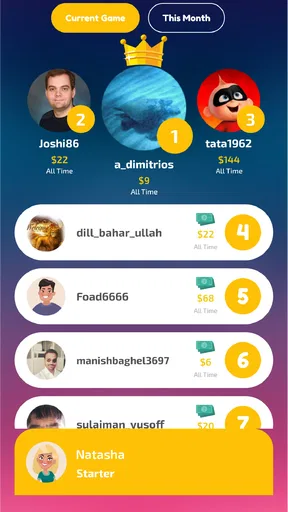
The prize promise is both the game’s main differentiator and its biggest source of caution. Compared with ordinary trivia apps, this one gives points and competition a more tangible purpose. Compared with a pure learning app, it may feel more exciting but potentially less relaxed. Compared with a multiplayer quiz played only for bragging rights, it introduces financial expectations that can change the mood of a session.
That trade-off affects inclusion. Players who need more time, who cannot reliably tap quickly, or who prefer to pause and review a question may be placed at a disadvantage if the format rewards speed. Someone with anxiety around money or competition may also find the prize framing uncomfortable even if the questions themselves are enjoyable. For those users, a standard trivia app with untimed practice, explanations, and no purchase pressure would probably be a better fit.
Another barrier is the gap between knowledge and performance. I might know an answer but still lose because I misread the wording, tapped the wrong area, or hesitated. That is normal in fast trivia, yet the possibility of cash prizes makes those ordinary mistakes feel more consequential. I recommend treating each round as a self-contained game rather than building a plan around future winnings.
Players should also think about privacy and account safety in the ordinary way they would with any prize-related app. I would avoid sharing unnecessary personal details, use a strong device lock, and check each purchase carefully. Those are sensible precautions, not accusations about this particular developer. They simply reflect the fact that financial incentives deserve more care than a casual offline quiz.
Who will enjoy it, and who should choose another quiz?
I would recommend this game to people who already like trivia and want a more competitive reason to answer one question after another. It is especially appealing if you prefer short mobile sessions, do not need a story or complex controls, and can read the screen comfortably under pressure. The free download makes it easy to discover whether the rhythm suits you.
I would be more cautious recommending it to players who want a teaching tool. The store summary focuses on points and cash prizes, not on detailed explanations or structured lessons. If your goal is to build knowledge systematically, a dedicated learning app, flashcard system, or trivia game with answer explanations may offer more lasting value. This title is better understood as competitive entertainment than as a course.
I would also steer away from it if you dislike financial mechanics. A conventional quiz may provide the same satisfaction of knowing an answer without making the outcome feel connected to money. That alternative is particularly sensible for children, people managing a strict budget, or anyone who notices that prize systems make it difficult to stop playing.
For groups, the game can be a conversation starter, but it may not replace a dedicated party quiz. A face-to-face game lets everyone share the screen, discuss answers, and adjust the pace. This mobile format is more convenient for individual play, yet it may be less inclusive when one player reads slowly or needs help with touch controls. In a mixed-ability group, I would keep the atmosphere casual and avoid treating the score as a measure of intelligence.
My inclusive verdict after using it
Play and Win-Win Cash Prizes! has a clear, approachable foundation: free trivia, simple interaction, and a competitive reward angle. I like that it does not demand the physical coordination of an action game, and I can see why its one-million-plus installs have attracted a broad audience. Numbase SAL Offshore has chosen a concept that is immediately understandable, even for someone opening it for the first time.
My recommendation comes with boundaries. The game is most accessible when I am seated, focused, comfortable with quick reading, and playing for entertainment rather than relying on a prize. It is less welcoming when I need generous timing, large or highly customizable presentation, calm practice, or a completely money-free experience. Those are not minor details; they determine whether the same quiz feels exciting or stressful.
If you are curious, start with a short session and assess three things honestly: can you read the questions without strain, can you select answers without accidental taps, and can you stop without feeling pushed to spend? If all three answers are yes, the game may be a fun addition to your break-time routine. If any answer is no, a slower trivia alternative will probably serve you better.
Overall, I see it as a niche recommendation rather than a universal one. It is worth trying for competitive trivia fans who enjoy the possibility of cash prizes, and the Everyone rating makes its broad audience clear. But inclusive design is more than a simple question format. Players need comfortable pacing, dependable visual access, and control over spending. Anyone who values those elements above competition should choose a more relaxed quiz; anyone who wants a quick, prize-focused challenge may find this one worth keeping.
Pros
- Simple gameplay makes it easy to start earning rewards quickly.
- Short game sessions fit well into spare moments.
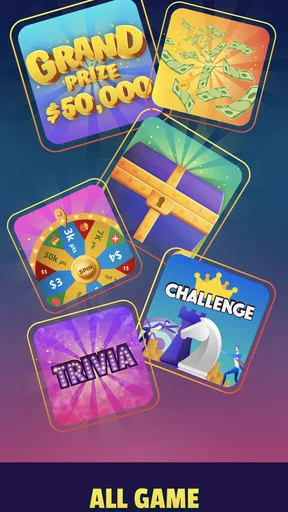
- Multiple game modes help keep the experience varied.
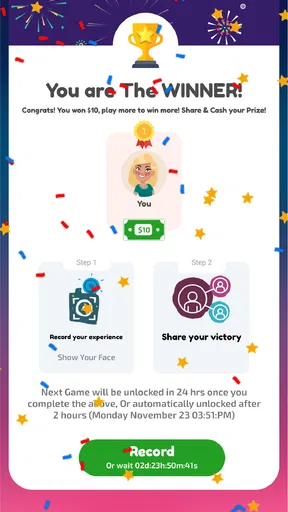
- The prize-focused format adds extra motivation to play.
- A lightweight design should work well on many Android devices.
Cons
- Rewards may require significant time before reaching a cash-out threshold.
- Availability of games and prizes can vary by country or region.
- Frequent ads may interrupt gameplay and reduce the overall enjoyment.
- Cash-prize promotions may include eligibility rules and restrictions.
- Some users may find the earning potential lower than expected.
FAQs for Play and Win-Win Cash Prizes!
What is Play and Win-Win Cash Prizes!?
Play and Win-Win Cash Prizes! is a casual rewards-style game that lets users play short challenges, complete activities, or participate in competitive events for the chance to earn points and possible cash prizes. The exact gameplay, available rewards, and supported contests may vary by location, device, and current promotions, so you should review the in-app rules before spending time or money.
Is Play and Win-Win Cash Prizes! legitimate, and can I really win money?
The app may advertise real-money rewards, but winning is not guaranteed. Results can depend on skill, rankings, eligibility requirements, contest availability, and applicable local laws. Before participating, check how prizes are funded, whether entry fees apply, the minimum withdrawal amount, and the official terms. Treat it as entertainment rather than a dependable source of income.
How do withdrawals and cash prizes work?
Withdrawal methods and processing times depend on the country, account status, and payment options supported by the application. You may need to verify your identity, reach a minimum balance, or complete additional requirements before requesting payment. Read the payout policy carefully, including possible fees, expiration rules, tax responsibilities, and restrictions that could affect whether your reward can actually be redeemed.
Does Play and Win-Win Cash Prizes! require purchases or entry fees?
Some activities may be free, while particular tournaments, bonus opportunities, or prize events could require an entry fee or in-app purchase. Do not assume that every advertised reward is available without payment. Check each event’s conditions before joining, confirm whether purchases are optional, and avoid spending more than you can afford, especially when the app presents limited-time bonuses or competitive prize promotions.
What permissions, age limits, and regional restrictions should I know about?
Cash-prize applications commonly limit participation by age and country, and certain features may not be available in every region. The app might request permissions related to notifications, advertising, payments, or account verification. Review the privacy policy and permission prompts before accepting them. Minors should use the service only when permitted by the terms and with appropriate parental guidance.


